Why Lithium Battery Fires Are Different (And Deadly)
E-bikes, EVs, power tools, and phones all use lithium-ion batteries. When they catch fire, traditional extinguishers and water make things worse. Here's what you need to know.
Fire doubles in size every 30 seconds
Lithium fires burn at 1,000°F+ and can re-ignite hours later through thermal runaway.
The Lithium Battery Fire Crisis in America
These aren't rare incidents—they're becoming the fastest-growing home fire risk.
E-Bike Fires Since 2022
E-bike and e-scooter fires have surged dramatically, with NYC reporting over 200 incidents in 2024 alone.
Homes Have EVs
With 10% of American homes now charging electric vehicles, garage fires from battery malfunctions are rising.
Lithium Devices Per Home
The average American home contains 10+ lithium-powered devices: phones, laptops, tablets, power tools, toys.

Recent High-Profile Incidents
- 2024 NYC E-Bike Fire: Family of four displaced after charging e-bike ignited in apartment garage, spreading to three adjacent units.
- 2024 California EV Fire: Tesla charging in residential garage reignited twice after initial suppression, destroying the home.
- 2023 Laptop Fire: Gaming laptop charging on bed caught fire while owner slept, causing severe injuries and property damage.
The Science: Why Lithium Fires Are So Dangerous
Thermal Runaway Explained
Stage 1: Initial Failure
Physical damage, overcharging, or manufacturing defect causes internal short circuit. Temperature rises rapidly.
Stage 2: Chain Reaction
Heat triggers chemical breakdown of electrolyte. Releases flammable gases and generates more heat—a runaway cycle.
Stage 3: Ignition
Gases ignite, battery ruptures. Fire reaches 1,000°F+ with toxic fumes. Spreads to adjacent battery cells.
Stage 4: Re-Ignition Risk
Even after suppression, batteries can reignite hours later as thermal runaway continues internally.
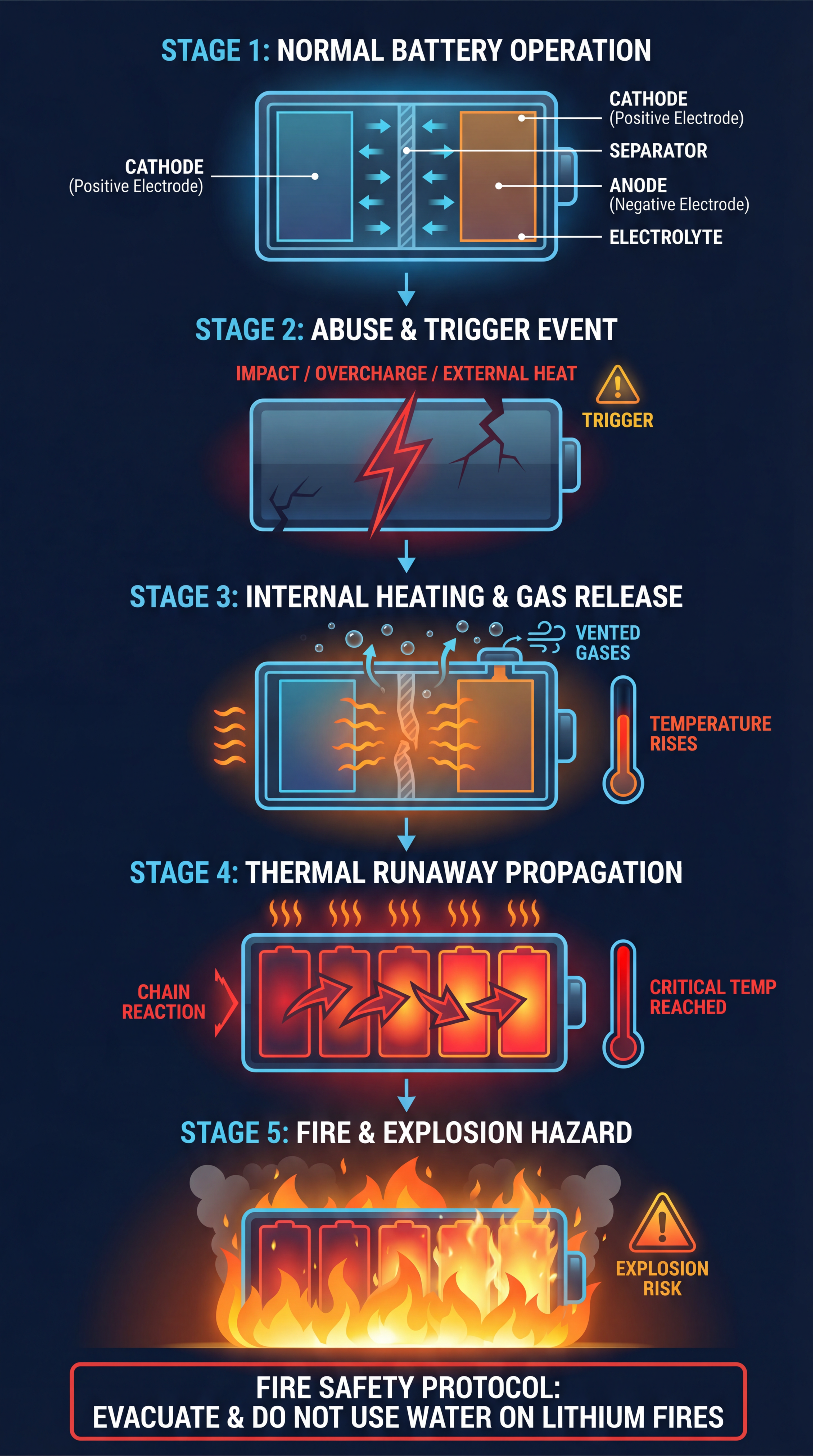
Educational diagram showing lithium-ion battery thermal runaway progression
Why Water FAILS
NEVER use water on lithium fires. Water reacts violently with lithium, producing hydrogen gas and spreading the fire. Can cause explosions.
Why ABC Extinguishers FAIL
Traditional powder extinguishers can temporarily suppress flames but don't stop thermal runaway. Fire re-ignites after powder settles.
Common Lithium Battery Fire Sources in Your Home
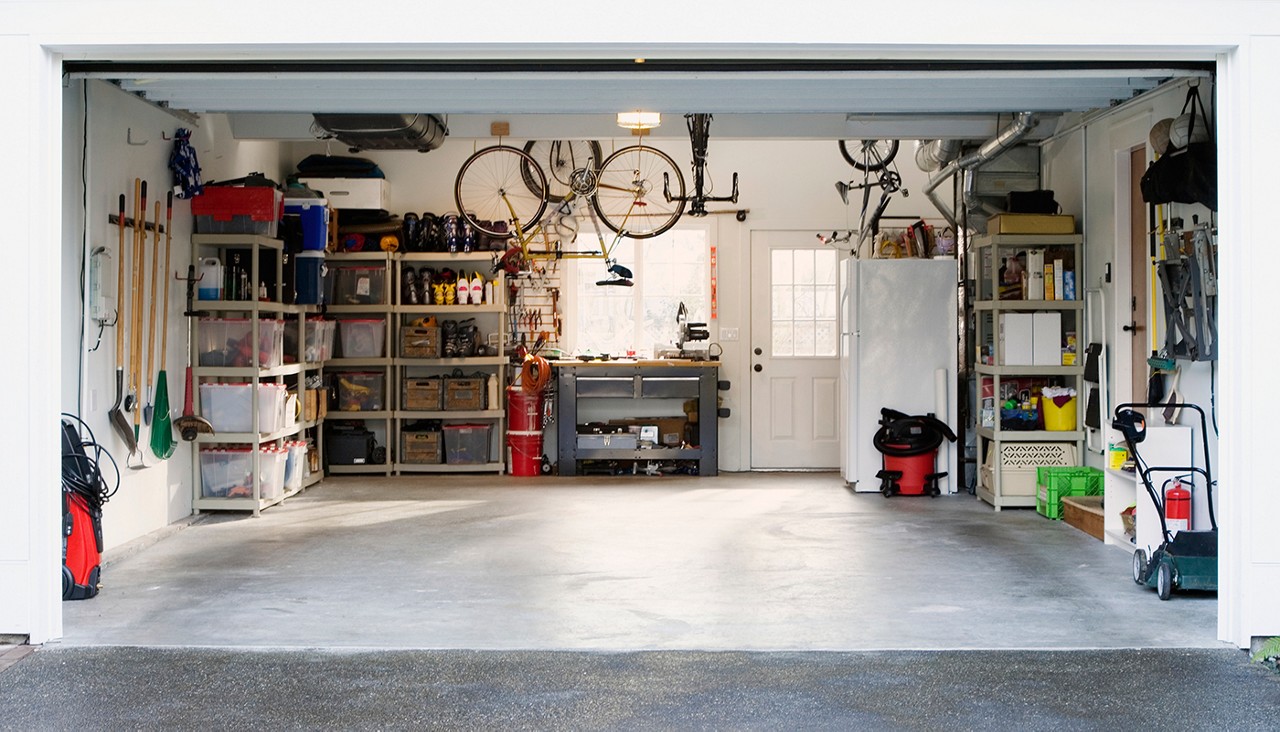
E-Bikes & E-Scooters
Highest risk: Large battery packs (36V-52V, 10-20Ah) often use off-brand cells. Frequently charged in garages near flammable materials.
Warning signs: Battery bulging, excessive heat during charging, burning smell
Prevention: Charge on non-flammable surface, never overnight unattended, use manufacturer charger only
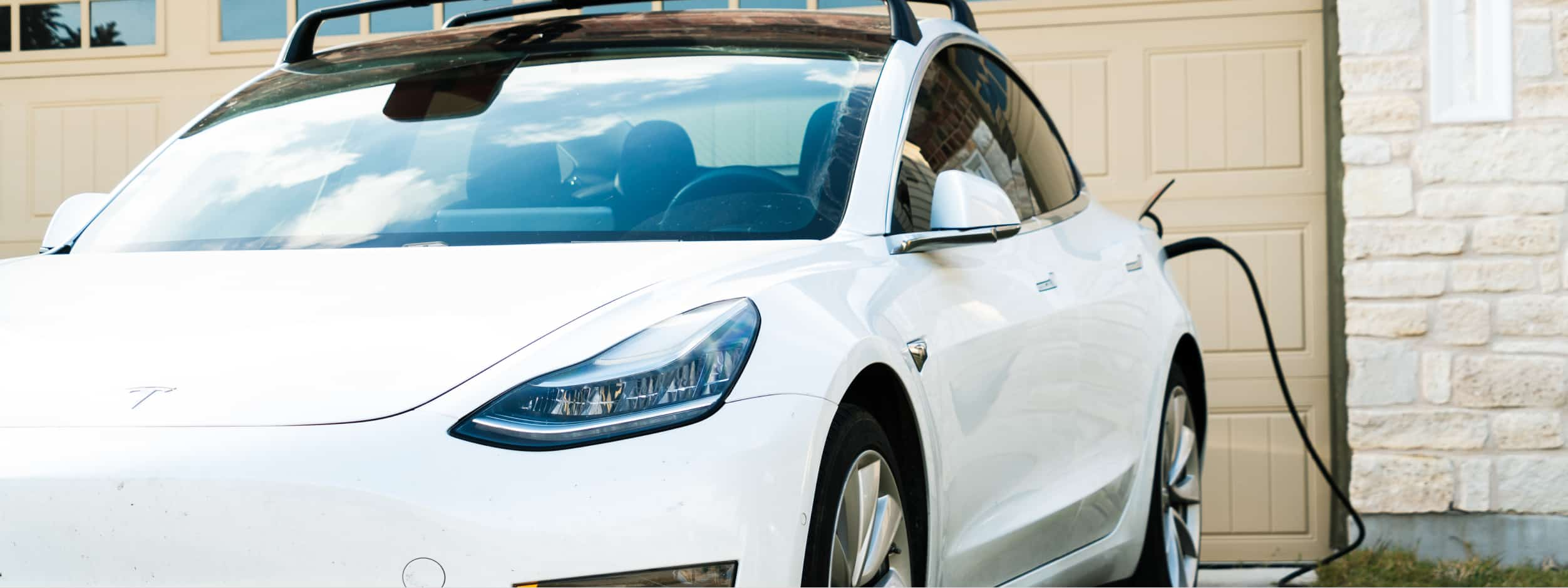
Electric Vehicles
High risk: Massive battery packs (60-100 kWh) charge in enclosed garages. Fire can spread to home in minutes.
Warning signs: Error messages, unusual battery drain, excessive charging time
Prevention: Charge away from structures if possible, install smoke detectors in garage, regular battery health checks

Power Tools & Equipment
Moderate risk: Cordless drills, saws, lawn equipment use high-capacity lithium batteries. Often stored in hot garages.
Warning signs: Battery won't hold charge, overheating during use, physical damage
Prevention: Store batteries in cool, dry location, avoid extreme temperatures, replace damaged units immediately

Phones, Laptops, Tablets
Lower risk but common: Smaller batteries but billions in use. Bedroom fires from overnight charging are increasing.
Warning signs: Rapid battery drain, device too hot to touch, screen separation (swollen battery)
Prevention: Never charge on beds/sofas, use certified chargers, replace devices with swollen batteries
The Solution: LifeSafe StaySafe Heat Removal Technology
While water and ABC extinguishers fail, LifeSafe uses an endothermic reaction to remove heat and prevent thermal runaway.
Why LifeSafe Works for Lithium Fires
Heat Removal Technology
Endothermic reaction actively removes heat from the battery, stopping thermal runaway at the source.
Inert Gas Barrier
Creates oxygen-displacing barrier that prevents re-ignition for hours, giving you time to safely dispose of battery.
Safe for All Lithium Chemistries
Works on Li-ion, LiPo, LiFePO4 batteries. Covers e-bikes, EVs, phones, laptops, power tools, and more.
360° Spray Capability
Critical for reaching hard-to-access battery compartments in e-bikes and power tools. No precision aiming needed.
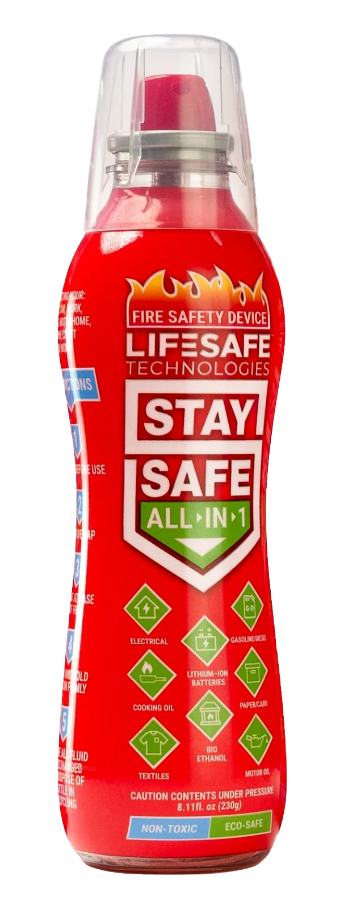
What To Do If a Lithium Battery Catches Fire
Small Device Fires (Phones, Laptops)
- Use LifeSafe StaySafe immediately
- Spray for 5-10 seconds from safe distance
- Move device outside to non-flammable surface
- Monitor for re-ignition for 24 hours
Large Battery Fires (E-Bikes, Power Tools)
- Deploy LifeSafe from safe distance
- Use full canister if necessary
- Evacuate if fire spreads or smoke intensifies
- Call 911 immediately
EV Fires (Electric Vehicles)
- Use LifeSafe only for INITIAL suppression
- Evacuate immediately—do not attempt full suppression
- Call 911 and inform them it's an EV fire
- Stay 100+ feet away—EV battery fires can explode
CRITICAL SAFETY RULE
Remember: Fire doubles in size every 30 seconds. If the fire is larger than a basketball or spreading rapidly, evacuate immediately and call 911. LifeSafe is for initial small fires—your life is more important than your property.
Prevention: Stop Lithium Fires Before They Start
Proper Charging Practices
- Always use manufacturer-approved chargers (off-brand chargers are a leading cause of fires)
- Never charge devices overnight unattended, especially e-bikes
- Charge on hard, non-flammable surfaces (concrete, tile, metal)—never carpet, wood, or beds
- Unplug devices once fully charged (don't leave plugged in for days)
Safe Storage
- Store batteries in cool, dry locations (60-75°F ideal)
- Avoid extreme temperatures (hot cars, freezing garages)
- Keep batteries away from flammable materials (gasoline, paint, paper)
- Store partially charged (40-60%) for long-term storage
Warning Signs to Watch For
- Battery swelling/bulging: Stop using immediately and dispose safely
- Excessive heat: Device too hot to touch during charging or use
- Unusual smells: Burning plastic, chemical, or "sweet" odors
- Rapid battery drain: Battery dying much faster than normal
Physical Protection
- Avoid physical damage to batteries (drops, punctures, crushing)
- Don't disassemble devices or modify battery packs
- Replace damaged devices immediately—don't wait
- Use protective cases and avoid exposing to moisture

Fire doubles in size every 30 seconds
Get Protected Today
Comprehensive fire protection for every room in your home. LifeSafe StaySafe handles all 10 fire types—kitchen, electrical, vehicle, and more—for just $29.99.
Available in the US and UK • Ships within 24 hours